
North Indian vs South Indian Cuisine: What's the Difference?
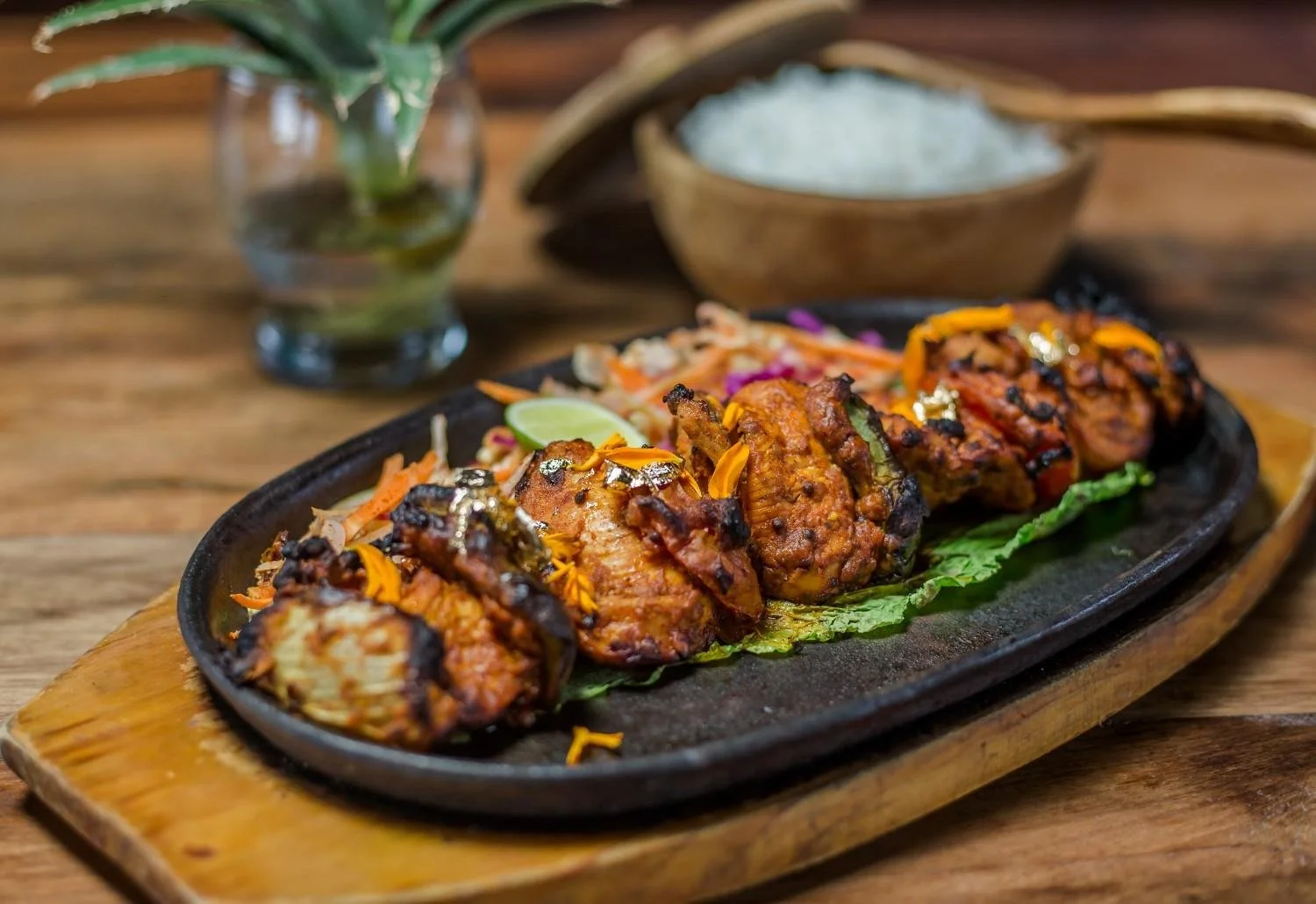
Achari Chicken originally from North India served on a sizzling platter with steamed rice and fresh salad at Pesona Lounge Trawangan.
Indian cuisine is often spoken about as though it were a single style of cooking, but nothing could be further from the truth. Stretching across thousands of kilometres, India is home to an extraordinary diversity of landscapes, climates, languages, religions, and culinary traditions. What people casually refer to as "Indian food" is, in reality, a collection of regional cuisines that have evolved over centuries.
Among the most recognised distinctions is the difference between North Indian and South Indian cuisine. While both share a deep appreciation for spices, fresh ingredients, and time-honoured cooking techniques, they offer remarkably different dining experiences. The breads, grains, cooking fats, flavour profiles, and even the way meals are served reflect the unique history and geography of each region.
Understanding these differences not only helps travellers order with confidence but also allows them to appreciate the incredible diversity that makes Indian cuisine one of the world's most celebrated culinary traditions.
Whether you're trying Indian food for the first time or simply curious about what sets these two regional cuisines apart, this guide explores the traditions, ingredients, and flavours that define North and South Indian cooking.
Why Indian Cuisine Is So Diverse
Before comparing North and South Indian cuisine, it's worth understanding why such differences exist in the first place.
India is the seventh-largest country in the world, with climates ranging from the snowy Himalayan mountains to tropical coastlines. Over thousands of years, geography, agriculture, trade, and cultural exchange have shaped regional food traditions. Communities naturally cooked with the ingredients available around them, creating dishes that reflected local climates and resources rather than following a single national recipe.
Northern India, with its fertile plains and cooler winters, became known for wheat farming, dairy production, and rich, slow-cooked dishes. Southern India, surrounded by long coastlines and tropical weather, developed a cuisine centred around rice, coconut, lentils, and abundant fresh spices.
Historical influences also played an important role. Persian and Mughal cooking traditions left a lasting impact on northern India, introducing techniques such as slow braising, rich gravies, and the use of dried fruits and nuts. In contrast, southern India retained stronger indigenous culinary traditions while embracing centuries of maritime trade with Southeast Asia, the Middle East, and Europe, which introduced new spices and ingredients without fundamentally changing its regional identity.
Rather than one cuisine evolving into another, North and South Indian food developed side by side, each reflecting the environment and communities that created it.
Geography Shapes the Plate
One of the easiest ways to understand Indian cuisine is to look at a map.
Northern India experiences cooler winters and large agricultural plains that are ideal for growing wheat, barley, mustard, and dairy-producing livestock. As a result, breads such as naan, roti, kulcha, and paratha became everyday staples, often served alongside creamy curries and slow-cooked meat dishes.
Southern India, by contrast, enjoys a tropical climate with plentiful rainfall in many regions. Rice grows exceptionally well, while coconut trees, banana plants, tamarind, curry leaves, and black pepper thrive in the warm weather. These ingredients naturally became central to everyday cooking.
The result is two culinary traditions that feel distinctly different despite sharing many of the same spices.
North Indian Cuisine
North Indian cuisine is perhaps the style most international travellers recognise first. Dishes such as Butter Chicken, Chicken Tikka Masala, Paneer Butter Masala, Rogan Josh, and freshly baked naan have become ambassadors of Indian food around the world.
At its heart, North Indian cooking is known for rich flavours, slow preparation, and balanced use of aromatic spices rather than overwhelming heat.
Wheat Takes Centre Stage
Unlike southern India, where rice dominates most meals, wheat is the foundation of many North Indian dishes.
Fresh breads are often prepared to accompany curries, allowing diners to scoop sauces instead of relying solely on utensils.
Popular breads include:
Naan
Roti
Paratha
Kulcha
Bhatura
Each offers a different texture and purpose, from soft oven-baked naan to flaky layered paratha.
Rich, Creamy Curries
One characteristic that surprises first-time visitors is that many famous North Indian curries are not necessarily extremely spicy.
Instead, richness comes from ingredients such as:
Yogurt
Cream
Butter
Ghee
Cashew paste
Onion and tomato bases
These ingredients create smooth sauces that balance aromatic spices while adding depth and texture.
Rather than overwhelming diners with chilli, the focus is often on building layers of flavour through careful cooking.
The Art of the Tandoor
One of North India's greatest culinary contributions is the tandoor.
A tandoor is a traditional clay oven heated to extremely high temperatures using charcoal or wood. Its intense heat cooks food quickly while producing a lightly smoky flavour and distinctive char that cannot easily be replicated with conventional ovens.
The technique is used for many well-known dishes, including:
Tandoori Chicken
Chicken Tikka
Seekh Kebab
Fish Tikka
Paneer Tikka
Garlic Naan
Plain Naan
Because food cooks rapidly while retaining moisture, tandoor cooking creates a unique combination of crisp edges and tender interiors that has become one of the defining characteristics of North Indian cuisine.
Signature Flavour Profile
North Indian food is often described as warm, aromatic, and comforting.
Instead of relying heavily on sourness or sharp acidity, many dishes develop complexity through carefully toasted whole spices and slow cooking.
Common ingredients include:
Cumin
Coriander
Cardamom
Cinnamon
Cloves
Garam Masala
Fenugreek
Ginger
Garlic
When combined with butter, cream, yogurt, or tomatoes, these spices create balanced flavours that feel rich without necessarily being fiery.
This is one reason why many first-time visitors find North Indian cuisine approachable—it offers complexity and aroma without requiring a high tolerance for chilli.
South Indian Cuisine
If North Indian cuisine is known for richness and slow-cooked curries, South Indian cuisine celebrates freshness, brightness, and the natural flavours of its ingredients.
Rice forms the foundation of most meals, while coconut, lentils, tamarind, curry leaves, mustard seeds, and fresh chillies appear throughout the region's cooking. The result is food that often feels lighter, more vibrant, and refreshingly balanced, especially in tropical climates.
Rather than relying on dairy to create richness, many South Indian dishes achieve depth through carefully layered spices, fermented batters, roasted lentils, and coconut-based preparations.
This distinct approach has earned South Indian cuisine worldwide recognition for its variety, nutritional value, and remarkable balance of flavour.
Rice vs Bread: The Biggest Difference
Perhaps the easiest way to distinguish North and South Indian cuisine is by looking at the staple food served alongside the main dishes.
In North India, wheat has traditionally been the dominant crop, making bread an essential part of daily meals. Freshly baked naan, soft roti, flaky paratha, and stuffed kulcha are all designed to scoop up rich curries, creating a dining experience that is both interactive and satisfying.
Southern India, on the other hand, revolves around rice. Thanks to the region's tropical climate and abundant rainfall, rice has been cultivated for thousands of years and remains the foundation of most meals. It may be served as steamed rice alongside curries or transformed into iconic dishes such as dosa, idli, and uttapam through natural fermentation.
Neither approach is better than the other. They simply reflect the agricultural traditions and local ingredients that have shaped each region for generations.
Common Ingredients That Define Each Cuisine
Although both North and South Indian cooking use many of the same spices, the supporting ingredients create very different flavours and textures.
North Indian Cuisine
North Indian recipes commonly feature:
Wheat
Yogurt
Butter
Ghee
Cream
Paneer
Tomatoes
Cashews
Onions
These ingredients contribute to the rich, creamy textures that many people associate with classic Indian curries.
South Indian Cuisine
South Indian cooking often highlights:
Rice
Coconut
Coconut milk
Curry leaves
Tamarind
Lentils
Mustard seeds
Black pepper
Fresh chillies
Rather than relying on dairy, South Indian cuisine builds complexity through fresh aromatics, fermented batters, roasted spices, and tangy ingredients.
Is One Cuisine Spicier Than the Other?
One of the biggest misconceptions about Indian food is that everything is extremely spicy.
In reality, Indian cuisine is built around spices, not necessarily chilli heat.
Spices such as cumin, coriander, turmeric, cinnamon, cardamom, cloves, fennel, and fenugreek are primarily used to create aroma, balance, and depth rather than intense heat.
That said, South Indian dishes often have a brighter, sharper flavour profile due to the use of fresh chillies, black pepper, tamarind, and curry leaves. These ingredients can create a noticeable kick, but they also add freshness rather than simply making food hotter.
North Indian cuisine generally feels richer and smoother because butter, yogurt, cream, and tomatoes soften the spices and create a more rounded flavour.
For travellers trying Indian food for the first time, both cuisines can usually be adjusted to suit individual spice preferences.
Famous North Indian Dishes
Many of the dishes that have become internationally famous originate from northern India.
Some of the best-known examples include:
Butter Chicken
Chicken Tikka
Tandoori Chicken
Paneer Butter Masala
Dal Makhani
Rogan Josh
Palak Paneer
Chole
Garlic Naan
Aloo Paratha
These dishes are known for their rich sauces, carefully layered spices, and satisfying flavours that pair beautifully with freshly baked bread.
Famous South Indian Dishes
South Indian cuisine offers an equally impressive range of iconic dishes, many of which have become breakfast favourites around the world.
Popular examples include:
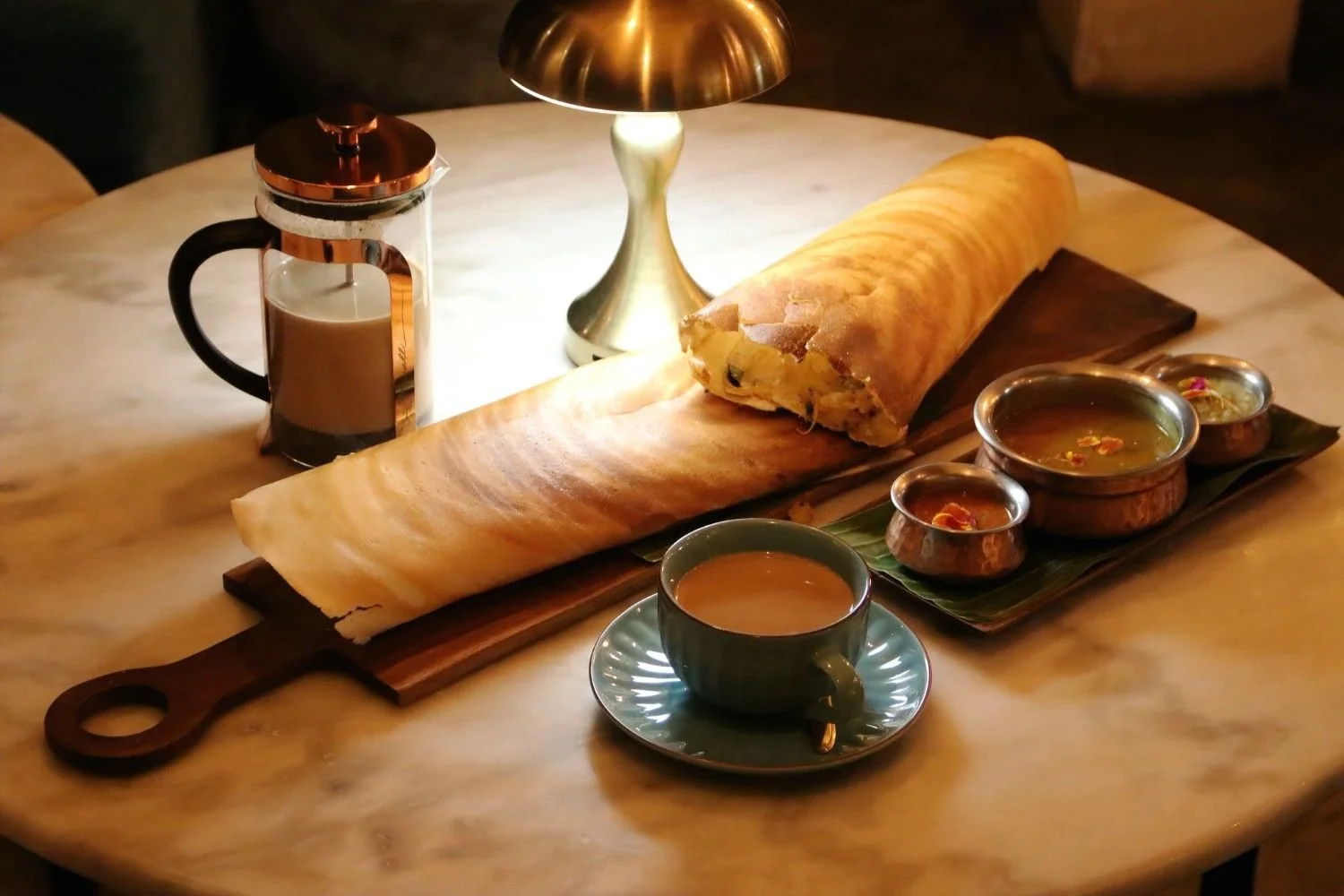
Masala Dosa
Plain Dosa
Idli
Uttapam
Medu Vada
Sambar
Rasam
Lemon Rice
Curd Rice
Hyderabadi Biryani
*Although Hyderabadi Biryani comes from southern India, its history reflects a blend of Mughal and regional culinary traditions, making it one of India's most celebrated rice dishes.
Together, these dishes showcase the diversity of South Indian cooking, from light fermented breakfasts to richly spiced rice preparations.
Which Cuisine Should First-Time Visitors Try?
If you're new to Indian food, there is no wrong place to begin.
However, many first-time diners find North Indian cuisine slightly more approachable because of its creamy curries, freshly baked naan, and familiar comfort-food qualities. Dishes such as Butter Chicken, Paneer Butter Masala, and Dal Tadka are often recommended for beginners due to their balanced flavours and mild spice levels.
For those who enjoy brighter flavours, lighter meals, or are interested in exploring regional diversity, South Indian cuisine offers an entirely different experience. Dishes like Masala Dosa, Idli, and Sambar demonstrate how fermentation, lentils, and coconut create meals that are both satisfying and refreshing.
The best approach is not to choose one over the other, but to experience both. Together, they tell the story of India's remarkable culinary heritage.
Common Misconceptions About Indian Cuisine
"All Indian food is spicy."
This is perhaps the most widespread myth.
While spices are essential to Indian cooking, they are used primarily to build flavour rather than heat. Many dishes can be prepared mild without losing their authentic character.
"Butter Chicken represents all Indian food."
Butter Chicken is undoubtedly one of India's most famous dishes, but it represents only one style of cooking from one part of the country.
India's culinary traditions extend far beyond a single curry.
"Every curry tastes the same."
Curries vary dramatically depending on the region, ingredients, cooking techniques, and spice combinations.
A creamy Butter Chicken tastes entirely different from a tangy Sambar or a peppery Chettinad Curry.
Can You Enjoy Both Styles Together?
Absolutely.
One of the joys of exploring Indian cuisine is discovering how different regional dishes complement one another.
Many restaurants serve a menu that includes both North and South Indian specialities, allowing guests to compare flavours, textures, and cooking styles during the same meal.
Sharing several dishes is also one of the best ways to experience the diversity of Indian cuisine, especially when dining with family or friends.
Final Thoughts
North and South Indian cuisine are not competing traditions—they are two expressions of India's extraordinary culinary diversity.
Northern India offers rich curries, freshly baked breads, smoky tandoori dishes, and comforting flavours shaped by centuries of Mughal influence and fertile agricultural plains. Southern India celebrates rice, coconut, lentils, tamarind, and vibrant spices that reflect its tropical climate and coastal heritage.
Understanding these differences adds a new level of appreciation to every meal. Rather than asking which cuisine is better, the more rewarding question is what kind of experience you're looking for.
Whether you prefer the creamy richness of Butter Chicken with warm naan or the refreshing simplicity of Masala Dosa served with Sambar and coconut chutney, both traditions demonstrate why Indian cuisine continues to captivate food lovers around the world.
Frequently Asked Questions
What is the main difference between North and South Indian cuisine?
North Indian cuisine is generally centred around wheat-based breads, dairy, and rich curries, while South Indian cuisine focuses on rice, coconut, lentils, and lighter, more tangy flavours.
Is South Indian food healthier than North Indian food?
Both cuisines can be part of a balanced diet. South Indian meals often feature fermented foods and lentils, while North Indian cuisine provides protein-rich curries, dairy, and freshly baked breads.
Which Indian cuisine is less spicy?
Neither cuisine is naturally hotter than the other. Spice levels vary by dish and can usually be adjusted to suit individual preferences.
Is Butter Chicken North or South Indian?
Butter Chicken originated in Delhi and is one of the best-known dishes of North Indian cuisine.
Is Dosa North or South Indian?
Dosa is a traditional South Indian dish made from a naturally fermented rice and lentil batter, commonly served with Sambar and coconut chutney.
Which Indian cuisine should beginners try first?
Many first-time visitors start with North Indian dishes such as Butter Chicken, Paneer Butter Masala, or Dal Tadka because of their mild, creamy flavours. Those looking for lighter or vegetarian options may enjoy beginning with South Indian favourites like Masala Dosa or Idli.