
Is Indian Food Always Spicy? Understanding Spice vs Heat
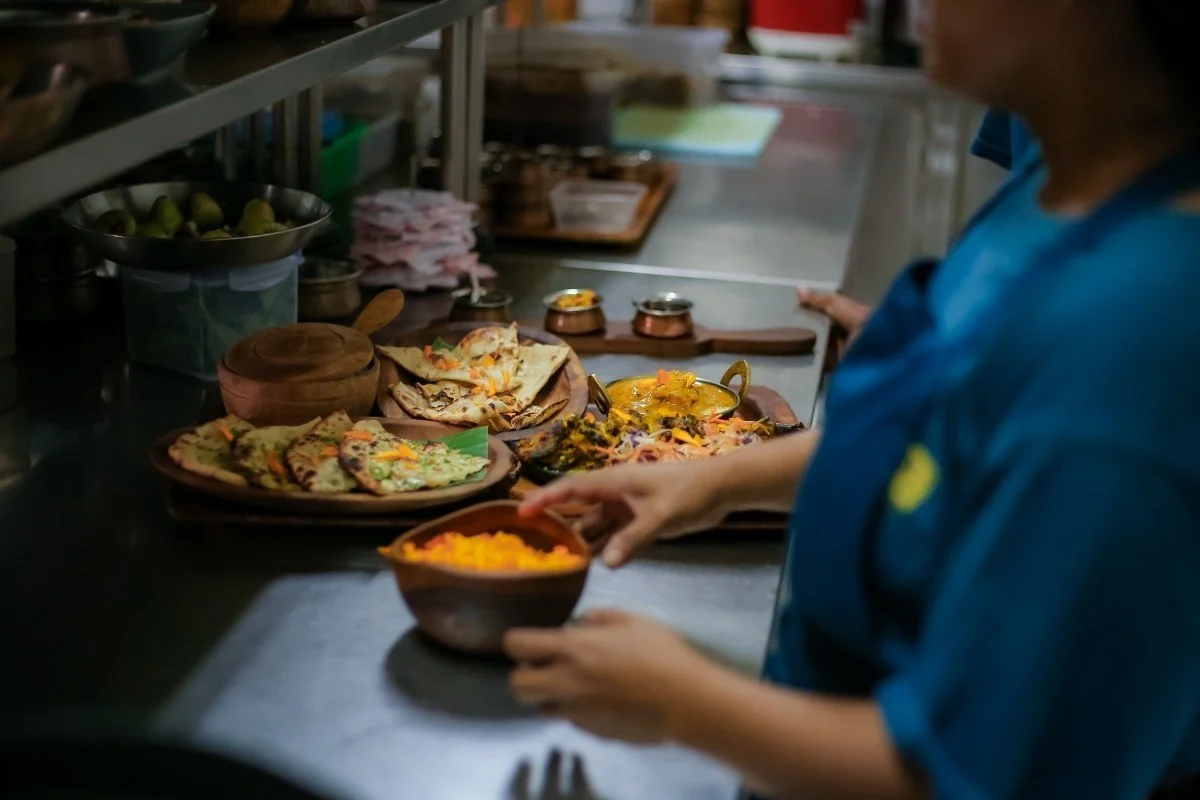
If you have ever looked at an Indian menu and wondered, “Is Indian food spicy?”, you are definitely not the only one.
It is also one of the questions we regularly hear from guests who are trying Indian food for the first time.
The short answer is no.
Indian food can be deeply spiced without being particularly hot. The confusion usually comes from the word “spicy”, which is often used to describe two different things: food containing many spices and food that creates noticeable chilli heat.
Those are not the same thing.
Understanding the difference makes ordering Indian food much easier, especially if you enjoy aromatic and complex flavours but do not enjoy a strong burning sensation from chilli.
Spiced and Spicy Are Not the Same Thing
When a dish is spiced, it means spices have been used to create its flavour.
Those spices might include cumin, coriander, turmeric, cardamom, cinnamon, cloves, fenugreek, black pepper or combinations of several different spices.
Chilli is only one part of a much larger spice pantry.
The Spices Board India, part of India's Ministry of Commerce and Industry, lists chilli separately from spices such as cumin, coriander, turmeric, cardamom, cinnamon and fenugreek. That distinction is useful when understanding Indian cooking: spices contribute many different characteristics to food, while chilli is one of the ingredients that can contribute heat.
Heat from chilli has a more specific explanation. Chilli peppers contain compounds known as capsaicinoids. Capsaicin, the best-known of these compounds, activates a sensory receptor called TRPV1, producing the burning sensation we associate with chilli.
So a dish can contain several spices and still contain relatively little chilli.
That is the difference between flavour intensity and chilli intensity.
What Do Indian Spices Actually Add to Food?
Reducing Indian cuisine to “mild” or “hot” misses much of what is happening in the dish.
Different spices contribute different aromas and flavour characteristics.
Cumin can bring an earthy, savoury character. Coriander seed is generally more citrusy and aromatic. Cardamom contributes a distinctive fragrance, while cinnamon and cloves can add warm and sweet aromatic notes. Turmeric contributes earthiness as well as its recognisable yellow colour.
These ingredients can be combined in different proportions, toasted, ground, added whole or introduced at different stages of cooking.
That is one reason two dishes can use some of the same spices and still taste completely different.
Research into regional Indian recipes also supports just how complex this becomes. A study published in PLOS ONE analysed recipes from eight Indian regional cuisines and found distinctive ingredient-use and flavour-pairing patterns across them. Spices were among the ingredient groups that played a particularly important role.
In other words, there is no single “Indian spice level” or one universal Indian flavour profile.
India has many regional food traditions, and spice combinations, cooking fats, local ingredients and techniques differ considerably between them.
If you are new to the cuisine, our complete guide to Indian food in Gili Trawangan explains some of the dishes, cooking styles and practical ways to build your first meal.
What About Garam Masala? Does “Garam” Mean Very Spicy?
This is another common source of confusion.
Garam masala is a spice blend rather than one individual spice, and there is no single recipe used everywhere.
A blend may contain ingredients such as cumin, coriander, cardamom, cinnamon, cloves, peppercorns and other spices. Recipes can change according to region, household and cook.
The word “garam” is often translated as “hot” or “warming”, but that does not automatically mean chilli-hot.
Aromatic warmth and chilli heat are different sensory experiences.
This is why seeing garam masala in a dish does not, by itself, tell you how much chilli you are going to taste.
Why Can Two Curries Have Completely Different Spice Levels?
Because a curry is more than its chilli.
Its overall flavour can also come from ingredients such as tomato, onion, yoghurt, butter, cream, coconut, tamarind, herbs, spices and cooking techniques.
Consider a rich, creamy curry and a tangy chilli-forward curry.
Both can contain several spices, but they will feel completely different when you eat them.
One may emphasise richness and aromatic spice.
The other may deliberately use chilli as a major part of its character.
This is why simply asking whether a curry contains “spices” is not particularly helpful. Most Indian curries do.
A better question is:
How much chilli heat does this particular dish have?
If you would like to understand the difference between creamy, tomato-based, aromatic, tangy and hotter curries before ordering, our guide to choosing Indian curry goes deeper into those flavour styles.
Are Butter Chicken and Other Creamy Curries Always Mild?
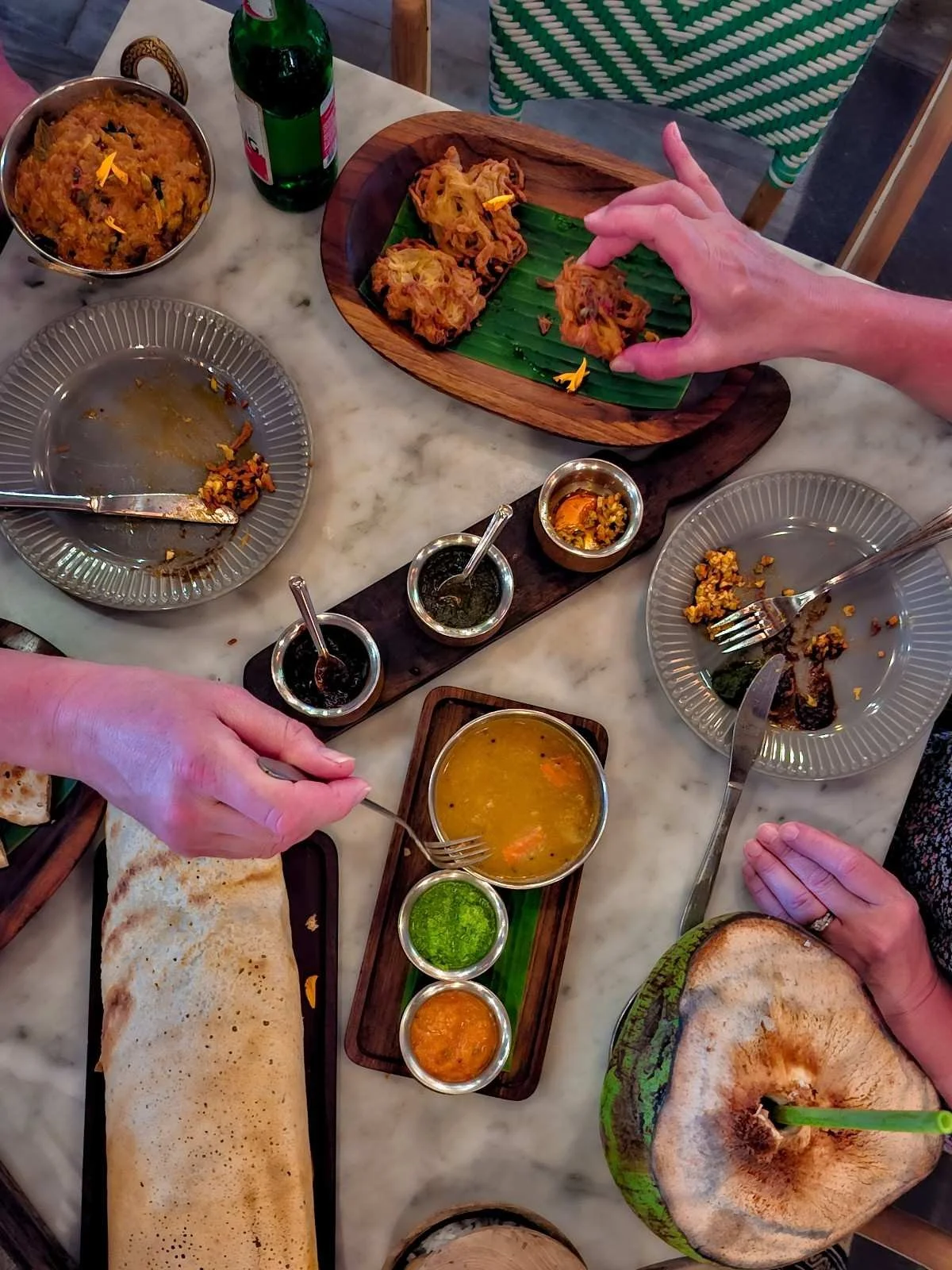
Not necessarily.
This is where it is important to avoid another common assumption.
A creamy sauce can soften the overall impression of a dish, but the presence of butter, cream or yoghurt does not automatically guarantee that a curry contains no chilli.
Recipes also vary between restaurants and cooks.
For example, Butter Chicken is often a comfortable starting point for people who prefer richer flavours, while a dish such as Vindaloo is commonly associated with a more assertive combination of heat and acidity.
But rather than relying only on the name of a dish, ask the restaurant how that particular version is prepared.
At Pesona Lounge Trawangan, the menu includes curries with noticeably different flavour profiles, from richer dishes such as Butter Chicken to stronger options such as Chicken Vindaloo, alongside Chicken Tikka Masala, Chole Masala, Lamb Rogan Josh, Goan Fish Curry and other selections.
The most useful approach is not to memorise which curry is supposedly “mild”.
Tell the team what you actually enjoy.
How to Order Indian Food If You Do Not Like Chilli
You do not need to avoid Indian food just because you do not enjoy chilli heat.
Instead of saying only:
“Not spicy.”
Try explaining your preference more specifically.
For example:
“I enjoy spices and flavour, but I don't like much chilli heat.”
That distinction is useful.
It tells the restaurant that you are not asking for bland food. You still want the cumin, coriander, aromatics, sauce and character of the dish; you simply prefer less chilli intensity.
You can also ask:
“How hot is this dish compared with the others?”
“Is the chilli important to the character of this curry?”
“Can the chilli level be adjusted?”
“Which curry would you recommend for someone who enjoys aromatic food but not much heat?”
Whether a dish can be adjusted depends on how it is prepared. Some components may already be incorporated into a sauce or marinade, so it is always better to ask rather than assume every dish can be completely changed.
That is also why communicating with the service team is more reliable than choosing only from a generic mild-medium-hot scale.
And If You Actually Love Spicy Food?
The opposite problem happens too.
Some guests want serious chilli heat and assume every Indian curry will provide it.
Again, heavily spiced does not automatically mean extremely hot.
If chilli is important to you, say so when ordering.
A strongly aromatic curry may contain many spices while delivering less chilli heat than you expected.
Ask which dishes naturally have a hotter character instead of simply requesting extra chilli in a dish that was designed around a different flavour balance.
The goal should not always be to make a dish as hot as possible.
It should be to understand how the dish is supposed to taste and then find something that matches your preference.
Why Indian Food Is Better Understood Through Balance
One reason the “Indian food is spicy” stereotype is limiting is that it focuses on only one sensation.
A good Indian meal can involve richness, acidity, sweetness, smokiness, aroma, texture and heat working together.
A tandoor dish can bring smoky and lightly charred flavours.
Biryani emphasises aromatic rice and spices.
Dal offers an entirely different experience built around lentils.
Naan adds texture and richness.
A tangy curry may rely on acidity as much as chilli.
A creamy curry may balance tomatoes, dairy and aromatic spices.
Even within one meal, those contrasts are part of the experience.
That complexity is much more useful to understand than simply dividing every dish into “spicy” and “not spicy”.
A Practical Example at Pesona Lounge Trawangan
If you are eating Indian food for the first time, you do not need to order several similar curries.
A better approach is to create contrast.
You could combine one curry with a grilled or tandoor-style dish, add basmati rice or naan, and then share everything at the table.
This lets you experience different cooking techniques and textures without relying entirely on chilli intensity to create variety.
Our first-timer's guide to ordering at Pesona Lounge Trawangan explains this approach in more detail and gives practical examples of how to build a balanced shared meal.
You can also check the current Pesona Lounge Trawangan menu before visiting, as menu selections and ingredients may change over time.
So, Is Indian Food Spicy?
Sometimes.
But Indian food is not automatically chilli-hot simply because it contains spices.
The more useful distinction is this:
Spices create flavour. Chilli can create heat.
They often appear together, but they do not have to.
Cumin, coriander, turmeric, cardamom, cinnamon, cloves and many other ingredients can make a dish highly aromatic and complex without producing the same sensation as a large amount of chilli.
And because Indian cuisine contains many regional traditions, recipes and cooking methods, there is no single spice level that represents all Indian food.
If you prefer mild food, tell your server that you still enjoy aromatic spices but want less chilli heat.
If you love chilli, ask which dishes naturally have a hotter character.
Either way, you will probably get a meal that suits you much better than simply asking whether Indian food is “spicy”.
Frequently Asked Questions
Is all Indian food spicy?
No. Indian cooking uses a wide range of spices, and many contribute aroma and flavour rather than strong chilli heat. The amount of chilli varies considerably between dishes, recipes and regional styles.
What makes Indian food hot?
Chilli peppers are one of the main sources of burning heat. Capsaicin and related capsaicinoids interact with sensory receptors involved in the perception of heat and pungency.
Does garam masala make food spicy?
Not necessarily. Garam masala is a variable blend of aromatic spices. Depending on the blend it can contain pepper or chilli, but the presence of garam masala alone does not tell you how chilli-hot a finished dish will be.
What should I order if I do not like spicy food?
Rather than relying only on a dish name, ask the restaurant which options have lower chilli intensity. Explain that you enjoy aromatic spices but prefer less chilli heat. This is more useful than simply asking for food with “no spices”.
Can Indian restaurants adjust the spice level?
Sometimes, but not every dish can be adjusted in the same way. Sauces and marinades may already contain chilli and other ingredients before an order is placed. Ask the service team what can realistically be changed.
Sources & Further Reading
Spices Board India, Ministry of Commerce & Industry, Government of India.
Spices of India and official information on Indian spices, including chilli, cumin, coriander, turmeric, cardamom and other recognised spices.
Yang, F. & Zheng, J. (2017).
Understand spiciness: mechanism of TRPV1 channel activation by capsaicin. Protein & Cell. This review explains how capsaicin produces the sensation associated with chilli heat through the TRPV1 receptor.
Jain, A., Rakhi, N. K. & Bagler, G. (2015).
Analysis of Food Pairing in Regional Cuisines of India. PLOS ONE. The study analyses ingredient and flavour-pairing patterns across eight regional Indian cuisines and demonstrates the important role spices play in their culinary structure.
Pesona Lounge Trawangan.
Current restaurant menu and dining guides were referenced for information about dishes presently offered by the restaurant. Menu availability, ingredients and preparation may change, so guests with allergies or specific dietary requirements should always confirm directly with the restaurant team.
Last reviewed: September 2026.
