
Creamy, Spicy or Tangy? A Simple Guide to Choosing Indian Curry in Gili Trawangan
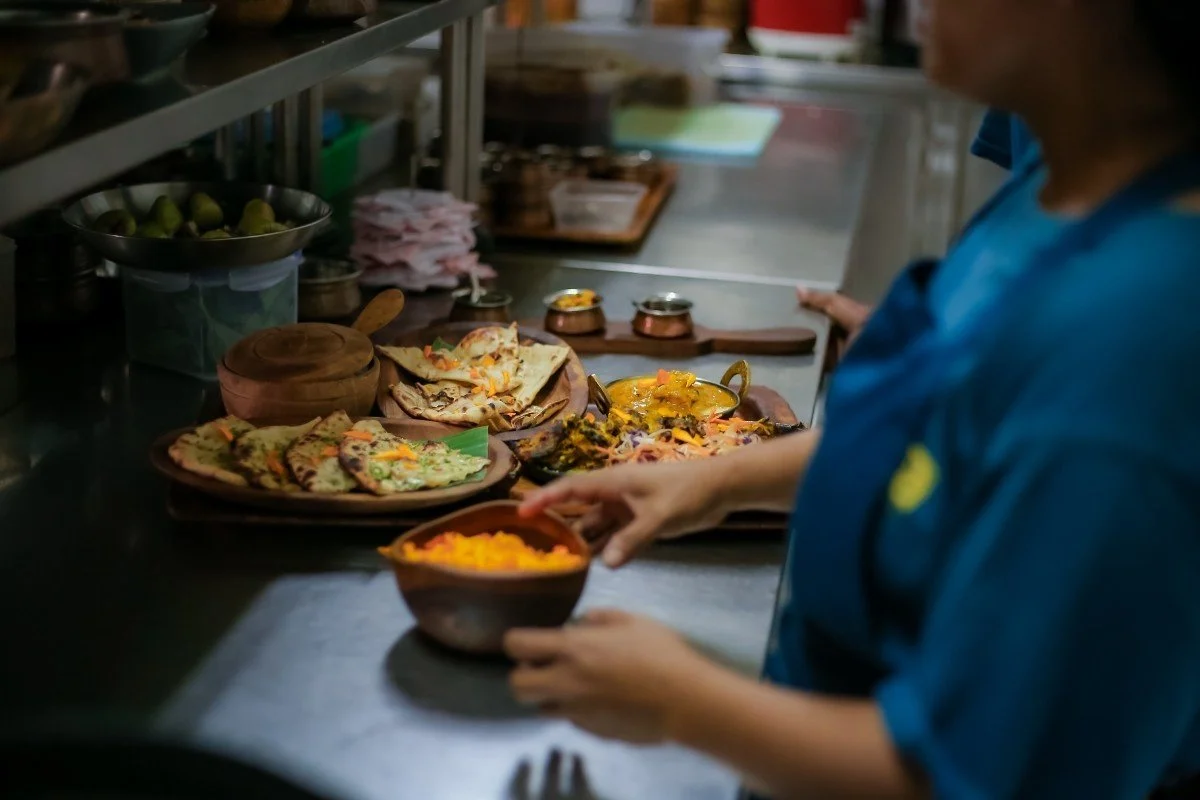
Choosing an Indian curry can be surprisingly difficult when everything on the menu sounds good.
Some curries are creamy and comforting. Others are tomato-forward, aromatic, tangy or noticeably hotter. Even dishes that contain similar spices can taste completely different because of the sauce, cooking method and ingredients used to build them.
If you are looking for Indian curry in Gili Trawangan but are not sure what to order, the easiest place to start is not by memorising every curry name.
Start with the kind of flavour you actually enjoy.
This guide breaks down some of the main flavour styles you may encounter and uses dishes from Pesona Lounge Trawangan as practical examples.
First, Indian Curry Is Not One Single Style
The word curry is useful on restaurant menus, but Indian cooking is far more diverse than one category of sauce.
India has many regional cuisines, each shaped by different climates, ingredients and cooking traditions. Research into regional Indian recipes also shows substantial differences in ingredient use between regions, with spices and dairy among the ingredients that strongly influence flavour combinations.
That is why comparing a Chicken Korma with a Chicken Vindaloo purely by asking which one is “more Indian” does not tell you very much.
A better question is:
Do I want something creamy, spicy, tangy, aromatic or somewhere in between?
If You Like Creamy and Comforting Curries
Creamy curries are usually a comfortable starting point for diners who are new to Indian food.
They tend to feel rounder, richer and less sharp than curries built around stronger acidity or chilli.
Butter Chicken
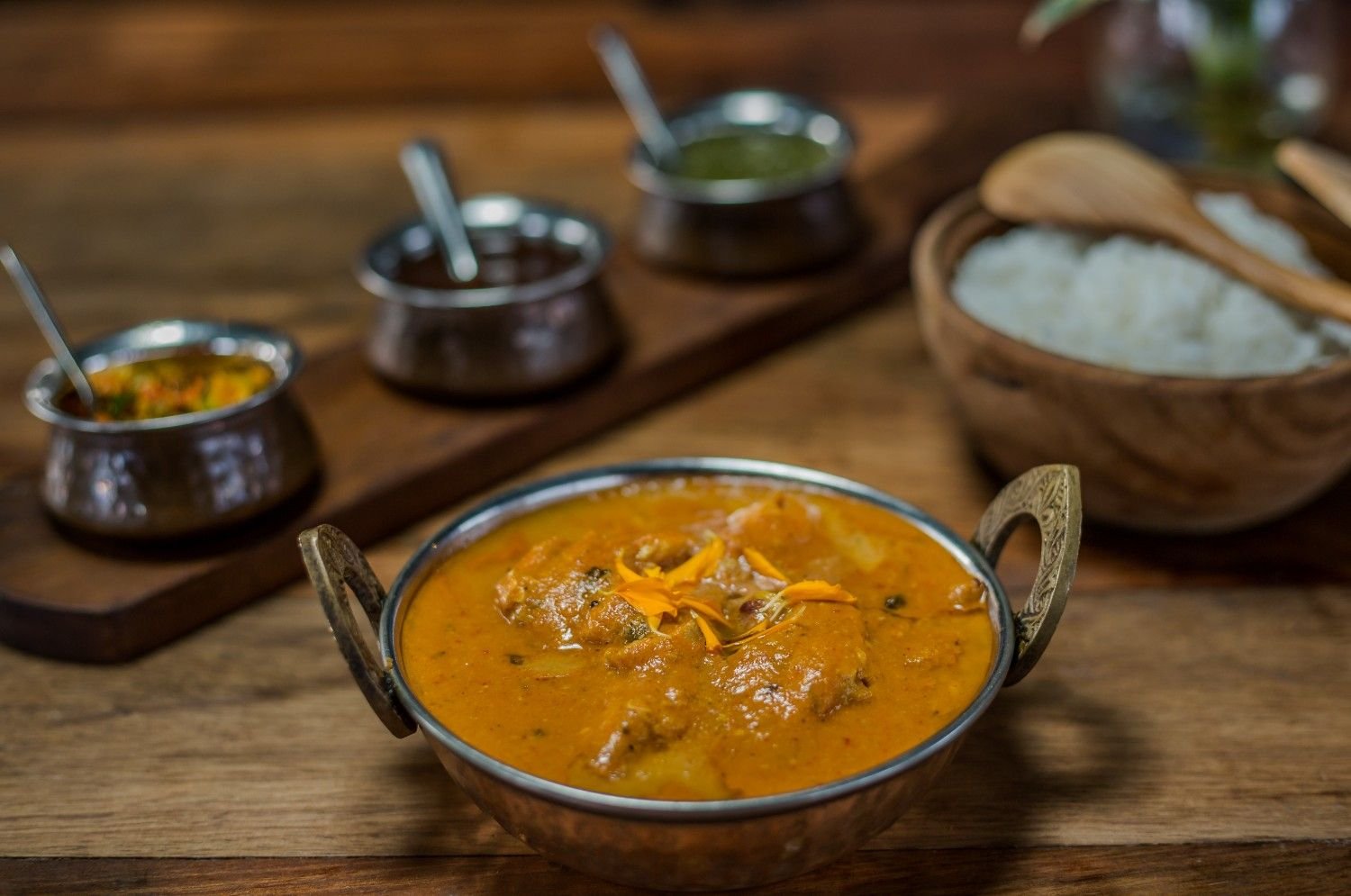
Creamy Butter Chicken
Butter Chicken is one of the most approachable examples.
At Pesona Lounge Trawangan, it is served as a creamy chicken curry finished with ghee.
Its appeal comes from balance rather than extreme heat.
You get richness, warm spices and a smooth sauce, making it particularly suitable if you prefer comforting flavours rather than something aggressively spicy.
It also works naturally with naan because the bread can pick up the rich sauce.
Chicken Korma
Chicken Korma moves in a slightly different direction.
The version on Pesona's current menu is a creamy cashew curry with aromatic spices.
Compared with a tomato-heavy curry, a cashew-based sauce tends to feel softer and nuttier.
If Butter Chicken sounds familiar but you want to explore something slightly different, Korma can be a good next step.
Paneer Makhani
Vegetarian diners can explore the same rich flavour family through Paneer Makhani.
Paneer is a fresh Indian cheese that works particularly well in sauces because its relatively mild flavour lets the curry remain the focus.
Pesona's Paneer Makhani combines soft paneer with a creamy, buttery tomato gravy.
It is a useful choice for someone who wants the comfort of a rich curry without meat.
If You Prefer Tomato-Based and Bold Flavours
Creamy does not necessarily mean mild, and tomato-based does not necessarily mean spicy.
Tomato can contribute acidity, sweetness, savoury depth and body to an Indian gravy depending on how it is cooked.
Chicken Tikka Masala
Chicken Tikka Masala is a good example of a curry that sits between richness and brighter tomato flavour.
At Pesona Lounge Trawangan, tandoor-cooked chicken is served in a bold spiced tomato gravy.
That combination creates an interesting contrast.
The chicken brings some of the smoky character associated with tandoor cooking, while the sauce adds moisture, spices and tomato richness.
If Butter Chicken feels too creamy for your preference but you still want a substantial sauce, Chicken Tikka Masala is an easy direction to explore.
Paneer Masala
Paneer Masala offers a vegetarian alternative with a rich, warming tomato curry.
Because paneer itself is relatively mild, the character of the sauce becomes particularly noticeable.
It can be a useful dish for diners who want something richer than a dry vegetable preparation but do not necessarily want a buttery makhani-style sauce.
Chole Masala
Not every tomato-based curry needs meat or paneer.
Chole Masala is built around chickpeas simmered in spiced tomato gravy on Pesona's current menu.
The chickpeas bring a firmer texture and earthy flavour, making it quite different from the softer experience of paneer or chicken.
If you are ordering several curries for the table, something like Chole Masala can also add useful variety.
If You Want Something Spicier
One of the most common questions restaurant teams hear about Indian food is:
“Is it spicy?”
But spicy can mean several things.
A curry can contain plenty of spices without being dominated by chilli.
Spices such as cumin, coriander, cardamom, fenugreek, turmeric and pepper can contribute aroma, warmth, bitterness, earthiness and complexity without necessarily creating intense chilli heat. Indian cooking also uses souring ingredients such as tamarind and dried mango alongside its extensive spice pantry.
So if you genuinely enjoy chilli heat, it helps to look for dishes designed around that character.
Chicken Vindaloo
Chicken Vindaloo is one of the clearer choices.
Pesona describes its version as a fiery, tangy curry with a deep spice kick.
The important word here is not just fiery.
It is also tangy.
That acidity prevents the experience from being simply “hot”. It creates contrast and gives the curry a sharper personality than a rich Korma or Butter Chicken.
Vindaloo is better suited to someone who actively enjoys stronger flavours rather than someone simply trying Indian food for the first time.
Chef's Special Chicken
Another option for diners looking for greater spice intensity is the Chef's Special Chicken, described on the menu as a Punjabi-style, spice-packed signature curry.
This is a good reminder that a curry can feel strongly spiced without necessarily belonging to the same flavour family as Vindaloo.
If you are unsure about heat level, asking the restaurant team before ordering is always more useful than guessing from the name alone.
If You Like Tangy and Lighter Curries
Not every curry is about butter, cream or heavy sauce.
Some of the most refreshing Indian curries use acidity and coconut to create a completely different experience.
Goan Fish Curry
Pesona's Goan Fish Curry is described as a light, tangy coconut curry with coastal flavours.
This is quite different from something like Butter Chicken.
Coconut provides body and softness, while acidity keeps the dish from becoming too rich.
Coastal Indian cooking frequently brings coconut and sour ingredients together, although recipes vary considerably between regions and households. Tamarind, for example, is commonly used as a souring ingredient in Indian cooking and pairs naturally with coconut in several regional preparations.
If you prefer seafood and do not want the heaviest curry on the table, this style may suit you particularly well.
If You Want Aromatic Rather Than Very Hot
Not everyone looking for strong flavour wants a lot of chilli.
Aromatic curries focus more heavily on the fragrance and depth of spices.
Lamb Rogan Josh
Lamb Rogan Josh is a useful example.
At Pesona, it features slow-braised lamb with aromatic Kashmiri spices.
Slow cooking also changes the experience compared with grilled meat or chicken pieces cooked in a lighter sauce.
This is a good choice when you want something deeper and more savoury without automatically choosing the hottest curry available.
Madras
Pesona also serves Madras with either chicken or lamb, described as warm and aromatic with coconut and gentle heat.
The phrase gentle heat matters.
It illustrates why the simple mild-medium-hot system does not always describe Indian food particularly well.
A curry can contain noticeable warmth while still being balanced by coconut and aromatic spices.
What About Vegetarian Indian Curry?
Indian cuisine has a particularly deep tradition of vegetarian cooking, so choosing a vegetarian curry does not mean settling for a substitute version of a meat dish.
At Pesona Lounge Trawangan, the current vegetarian curry section includes dishes such as Daal Makhani, Paneer Makhani, Mung Dal Tadka, Paneer Masala, Paneer Mutter, Chole Masala, Rajma Masala and vegetable preparations.
They also cover very different flavour profiles.
For something rich
Try Daal Makhani or Paneer Makhani.
Daal Makhani combines black lentils with a rich buttery tomato base, while Paneer Makhani provides a creamier paneer-based option.
For something lighter
Mung Dal Tadka uses yellow lentils with garlic, cumin and chilli.
Compared with a buttery makhani gravy, this style offers a very different expression of Indian comfort food.
For something more substantial
Chole Masala and Rajma Masala use chickpeas and kidney beans respectively.
These ingredients add texture and earthiness while still working naturally with Indian spices and tomato-based sauces.
Should You Order Rice or Naan With Your Curry?
There is no universal winner.
It depends on the curry and how you like to eat.
Choose naan when:
the curry has a thick sauce
you enjoy scooping and sharing
you want something substantial
you are ordering several dishes for the table
Rich curries such as Butter Chicken, Chicken Korma or Paneer Makhani are particularly satisfying with freshly baked naan.
Choose rice when:
the curry has a lighter or more fluid sauce
you want something less rich alongside the main dish
you are ordering a tangy seafood curry
you want the sauce distributed more evenly through each bite
Of course, for a table of several people, there is little reason to choose only one.
Ordering both rice and naan allows everyone to experience the curries differently.
How to Build a Better Curry Order for Two People
One of the easiest mistakes when ordering Indian food is choosing two dishes that are too similar.
For example, ordering two very creamy curries can taste wonderful at first but may become heavy by the end of the meal.
Instead, look for contrast.
A balanced order for two could be:
One creamy curry
Butter Chicken or Paneer Makhani.
One contrasting curry
Chicken Tikka Masala, Vindaloo, Goan Fish Curry or Chole Masala.
One bread or rice
Garlic naan, butter naan or rice.
If you are particularly hungry, add something from the tandoor or a vegetable preparation rather than simply adding another similar curry.
Pesona's own current first-timer guide follows a similar principle: building an Indian meal around contrasting dishes rather than ordering several curries with nearly identical profiles.
A Simple Curry Cheat Sheet
If you do not want to remember everything in this guide, use this:
I like creamy and comforting:
Butter Chicken, Chicken Korma or Paneer Makhani.
I like tomato-rich flavours:
Chicken Tikka Masala, Paneer Masala or Chole Masala.
I enjoy chilli and stronger flavours:
Chicken Vindaloo.
I want something aromatic:
Lamb Rogan Josh or Madras.
I prefer seafood and something tangier:
Goan Fish Curry.
I want vegetarian comfort food:
Daal Makhani, Paneer Makhani or Chole Masala.
The important thing is that there is no single curry that everyone should order.
The right curry is the one that fits the flavours you actually enjoy.
Finding Indian Curry in Gili Trawangan
If you are exploring Gili Trawangan and craving something warm and substantial after a day of swimming, diving, cycling or relaxing on the beach, Indian food gives you plenty of room to choose according to your appetite.
Pesona Lounge Trawangan serves a broad selection of Indian curries alongside tandoori dishes, vegetarian options, biryani and breads from the tandoor. Its current menu ranges from creamy Butter Chicken and Chicken Korma to Chicken Vindaloo, Lamb Rogan Josh and Goan Fish Curry.
Rather than automatically ordering the most familiar curry, consider building your meal around contrast.
Choose something creamy if you want comfort.
Something tomato-based if you want more brightness.
Something tangy if you want freshness.
Or something spicy if you genuinely enjoy heat.
That small decision can make exploring Indian curry in Gili Trawangan much easier — and usually much more interesting.