
How to Plan a Sharing Dinner at Pesona Lounge Trawangan
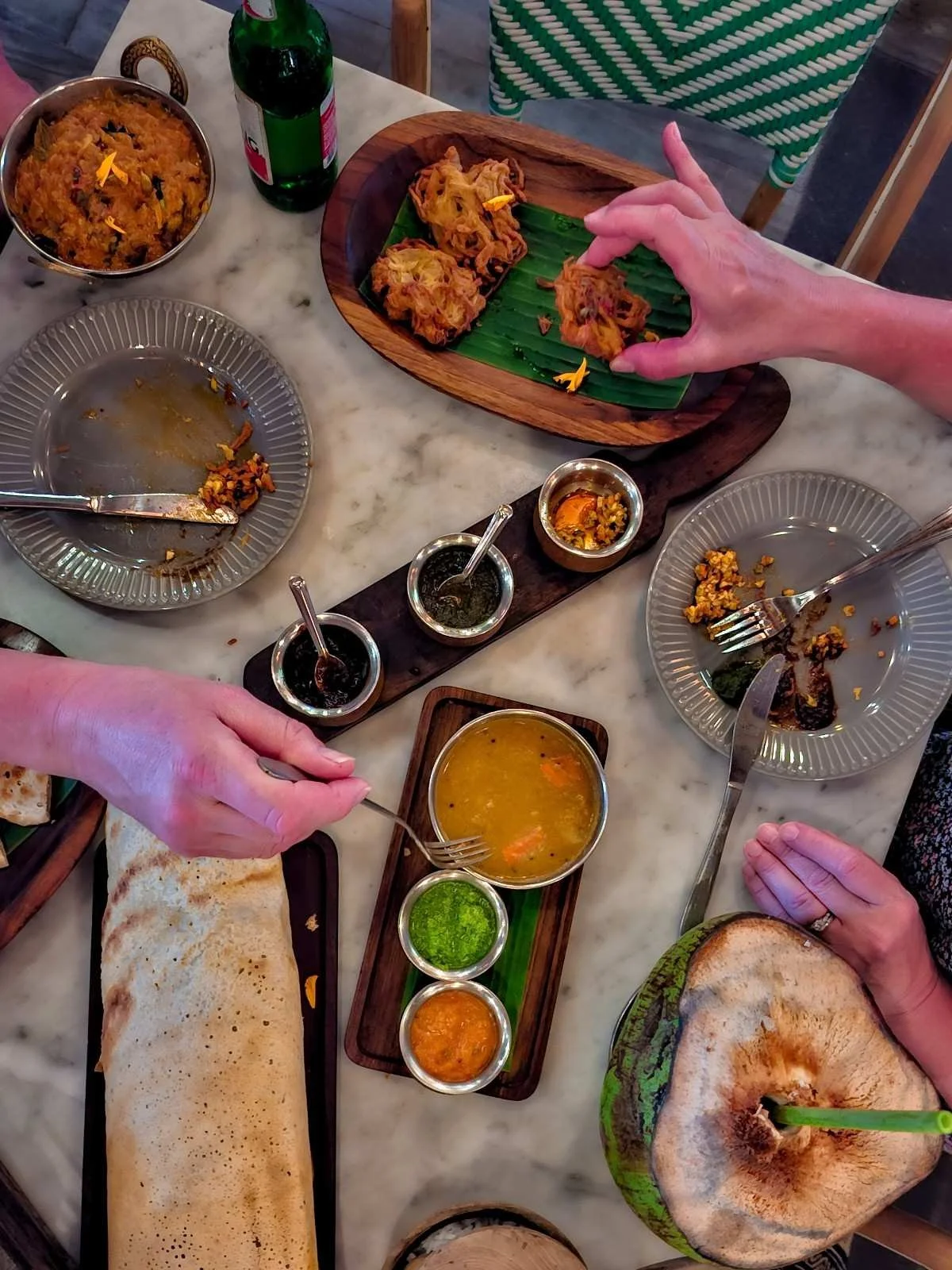
A shared dinner often begins with everyone pointing to a different part of the menu. Someone wants a curry, someone wants something grilled, and someone is already ordering bread for the table.
That can make a lovely meal. It can also leave you with several dishes that taste similar, too many sides and very little that one person in the group can actually eat.
At Pesona Lounge Trawangan, our suggestion is to agree on a few things before placing the order: what everyone enjoys, what needs to stay separate and how hungry the table really is.
The aim is a meal with enough variety for everyone to enjoy, without turning dinner into a complicated exercise.
Decide What You Are Sharing
Not everything has to go in the middle.
Some people enjoy tasting every dish. Others prefer to keep their own main course and share only the starters or bread. Both approaches work.
For a couple, sharing might mean choosing different mains and trying a little of each. For a group, it might mean ordering several dishes for the centre of the table.
Agreeing on this first makes the rest of the order easier. It also avoids the awkward moment when someone discovers that the dish they chose for themselves has become everyone’s dinner.
Check Preferences Before Choosing Dishes
Ask about dietary needs and chilli preferences before the group gets attached to particular dishes.
If one person eats vegetarian, make sure there is enough food intended for them. A vegetarian dish that everyone tastes may disappear quickly, leaving that person with fewer choices than expected.
Likewise, do not let the person who enjoys the most chilli choose the heat level for the whole table. Ask the team which preparations can suit the group and whether a hotter element can be kept separate.
For allergies, speak directly with the team about both ingredients and shared preparation. Ordering separate dishes does not, by itself, resolve cross-contact concerns.
Choose Starters That Are Easy to Divide
A shared starter gives everyone something to eat while the main meal is being prepared. The practical question is whether the portion divides comfortably between your group.
The published menu lists samosas in portions of three, onion bhaji in portions of six and lamb seekh kebabs in portions of six. These counts are useful when planning an order, although they do not tell you how filling each portion will be. Check the current menu.
For four people, a three-piece starter may need a little more thought than a dish everyone can easily take from. Ask the team about portion sizes rather than assuming every starter is designed for the same number of diners.
If you are planning a full dinner, choose your mains before deciding how many starters to add. It is easier to judge the whole meal that way.
Build Variety into the Main Courses
The most useful difference between shared dishes is not always the main ingredient.
A chicken curry and a paneer curry could have similar sauces. A grilled dish and a lentil preparation may offer more contrast, even if neither was the first thing everyone noticed on the menu.
When discussing your order, think about texture as well as flavour. Something with sauce, something grilled and a vegetable or lentil dish can give people several ways to enjoy each plate.
You do not need all of those categories for a small table. The principle is simply to avoid ordering several dishes that serve exactly the same purpose.
A Starting Point for Dinner for Two
For two people, begin by choosing the dishes you both most want to try.
One shared starter followed by two contrasting mains is a possible structure to discuss with the team. Then check what comes with the mains before adding bread or rice.
This is an ordering idea, not a fixed meal package or a promise about portion sizes. If you have had a late lunch, it may be more than you need. If dinner is your main meal of the day, your order may look different.
Sharing works best when it follows your appetite rather than a rule about how many plates should be on the table.
Planning a Meal for a Group of Friends
For a larger group, choose the dishes that cover everyone’s needs first. Add variety after that.
A practical approach is to give the team your group size and describe what you want: “We would like to share, we have two vegetarian diners, and most of us prefer gentle heat.”
That is more useful than ordering several rounds of food independently and discovering that everyone has chosen the same thing.
Ask the team to review the quantities with you. They can explain the actual portions and help you decide whether the selection makes sense for the table.
If you are working to a budget, mention it before ordering and confirm how any applicable taxes or service charges are shown.
Check the Sides Before Adding More
Rice and bread are easy to over-order because everyone thinks of them as small additions.
Look at what is already included with each dish. Then decide which extras you genuinely want to share.
If the table is ordering a substantial rice dish, consider how much additional rice is necessary. If bread is an important part of the meal for everyone, ask the team how many portions would suit your order.
You can also ask about ordering more later and the likely preparation time. That helps you balance flexibility with keeping the meal moving together.
Choose a Setting That Suits the Group
Pesona Lounge Trawangan has indoor air-conditioned, poolside and beachfront seating. For a shared meal, tell the team how many people are coming and whether you have a seating preference. Contact Pesona Lounge Trawangan.
For birthdays or larger gatherings, contact the restaurant ahead of time to discuss the available arrangements. Confirm the details that matter to you, including seating together and any dietary requirements.
If your group is meeting after watching sunset elsewhere on the island, agree on a realistic arrival time. That small piece of planning is more useful than rushing across Gili Trawangan to keep an ambitious dinner schedule.
Questions About Sharing Dinner
Does everyone need to share all the dishes?
No. You can share starters and sides while keeping individual mains. This can be easier when people have different preferences.
How many dishes should we order?
There is no reliable number without knowing the portions, your appetite and the accompaniments. Use the menu to choose a selection, then ask the team to check the quantities.
Can vegetarian and meat-eating diners share a meal?
Yes, provided the order gives everyone enough suitable food. Keep serving utensils separate where needed and explain dietary requirements before ordering.
Should a larger group contact the restaurant in advance?
It is sensible to do so, especially if you want to sit together or have a particular arrangement in mind. Ask the team to confirm availability.
A Shared Dinner Everyone Can Enjoy
A good sharing order gives everyone something they are looking forward to eating.
Choose a few dishes with different flavours and textures, check the portions and leave room for individual preferences. Once those decisions are made, you can settle into the evening and enjoy the company around the table.
Still deciding which dishes to try? Our guide to Indian food in Gili Trawangan explains the menu choices and helps you find flavours that suit your taste.
